Living with sleep apnea can mean more than a bad night’s sleep. Snoring, frequent waking and daytime fatigue can follow you well beyond the bedroom.
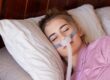
CPAP therapy works well for many people with obstructive sleep apnea (OSA), but not everyone finds it easy to use. A mask, hose and bedside machine can take some getting used to, and some people struggle to use their CPAP consistently.
If that sounds familiar, Daybreak Oral Appliance Therapy may be another option to discuss with your healthcare provider. The Daybreak Device is an FDA-cleared, custom-fit oral appliance designed to treat obstructive sleep apnea and snoring without a mask or CPAP machine.
Quick Navigation
- What Is Daybreak and How Does It Work?
- Why Consider Daybreak Instead of CPAP?
- Is Daybreak Right for Everyone?
- Insurance Coverage and Getting Started
- How Doubek Medical Supply Can Help
- Frequently Asked Questions
What Is Daybreak and How Does It Work?
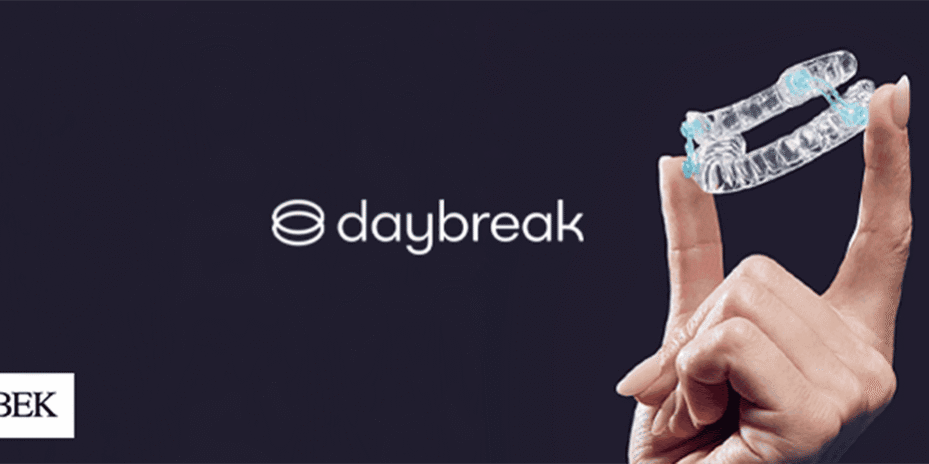
Daybreak is a mandibular advancement device, or MAD. It fits over the teeth like a dental retainer or mouthguard. Rather than delivering pressurized air, the appliance gently moves the lower jaw forward to help keep the airway open during sleep.
Each appliance is custom-made for the patient. Treatment can then be adjusted gradually using different advancement bands, allowing the jaw time to adapt as the position is fine-tuned.
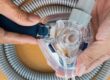
For patients who are used to a full CPAP setup, the difference is easy to see. Instead of a mask, tubing, water chamber and machine, treatment consists of a compact oral appliance worn while you sleep.
Why Consider Daybreak Instead of CPAP?
CPAP remains an effective treatment for sleep apnea. If it’s working well for you, you shouldn’t stop using it without first talking to your healthcare provider.
But if you’ve had trouble tolerating CPAP, oral appliance therapy may be worth exploring. Mandibular advancement devices are a treatment option for certain people with OSA, including patients who cannot tolerate CPAP.
For the right candidate, Daybreak offers some practical benefits:
- No mask or hose. There’s no face mask, tubing or bedside machine to manage.
- Easy to travel with. The small appliance can be carried in its protective case without batteries or access to an electrical outlet.
- Custom fit. Daybreak is a prescription appliance made specifically for the patient’s mouth rather than an over-the-counter mouthguard.
- Gradually adjustable. Advancement bands allow the jaw position to be changed over time as treatment is optimized.
Is Daybreak Right for Everyone?
Not necessarily. Sleep apnea isn’t the same for every patient, and neither is its treatment.
Your healthcare provider can help determine whether oral appliance therapy makes sense based on your diagnosis, health history and individual needs.
If you already use CPAP, don’t stop treatment on your own. Instead, let your sleep care team know if discomfort or other problems are making it difficult to use consistently.
If you snore but haven’t been evaluated for sleep apnea, it’s worth talking with your doctor. Frequent loud snoring, daytime sleepiness and gasping or choking during sleep can be signs of OSA.
Insurance Coverage and Getting Started
Patients are sometimes surprised to learn that oral appliances used to treat sleep apnea may qualify for coverage through medical insurance rather than dental insurance.
Medicare, for example, addresses certain custom-fabricated oral appliances for OSA through its durable medical equipment coverage policy.
Commercial insurance benefits vary. Daybreak states that its device is covered by most insurance plans and may also be eligible for HSA or FSA funds. Coverage should always be verified for your individual plan.
A sleep apnea diagnosis and appropriate medical documentation are important parts of the process. If you haven’t been diagnosed yet, sleep testing may be needed before moving forward.
How Doubek Medical Supply Can Help
Finding the right sleep apnea treatment shouldn’t leave you trying to figure everything out on your own.
Doubek Medical Supply has served Illinois residents for more than 60 years and helps patients navigate medical equipment and insurance coordination.
If you’re struggling with CPAP or interested in oral appliance therapy, contact Doubek Medical Supply to learn more about Daybreak and get connected with an appropriate local provider.
Frequently Asked Questions About Daybreak
What is the Daybreak Device?
Daybreak is an FDA-cleared, custom-fit oral appliance for obstructive sleep apnea and snoring. It is worn in the mouth while you sleep and gently positions the lower jaw forward to help keep the airway open.
Is Daybreak the same as a mouthguard?
It may look similar, but it serves a different purpose. Daybreak is a prescription medical device custom-made for the patient and designed specifically for sleep apnea treatment.
Can Daybreak replace my CPAP?
For some patients, oral appliance therapy can be an alternative to CPAP. Whether it’s appropriate for you depends on your diagnosis and individual medical needs. Don’t discontinue CPAP therapy without first talking with your healthcare provider.
What if I don’t have sleep apnea, just bad snoring?
You can still use the FDA-cleared Daybreak oral appliance, as it can effectively minimize or even eliminate snoring. While most insurance providers may not cover treatment for snoring alone, Doubek provides an affordable cash payment option.
Is Daybreak good for travel?
Its compact design makes it convenient for travel. There is no machine, electrical connection or battery to pack, and the appliance fits in a small protective case.
Does insurance cover oral appliance therapy?
Coverage varies by insurance plan and eligibility requirements. Daybreak says its device is covered by most insurance plans, while Medicare provides DME coverage for certain qualifying oral appliances used to treat OSA. Always verify your individual benefits before beginning treatment.
What if I haven’t had a sleep study?
You may need sleep testing and a diagnosis before moving forward with treatment and insurance authorization. A healthcare provider can help determine the appropriate next step.