
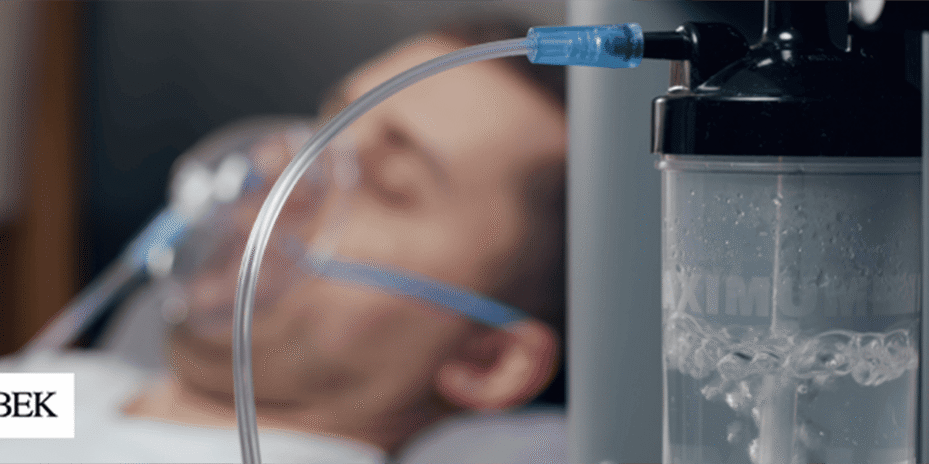
Starting home oxygen therapy can bring relief, but it can also introduce unfamiliar equipment, safety considerations, and insurance questions. Whether you’re returning home after a hospital stay or helping a family member prepare, knowing what questions to ask before delivery can make the transition feel more manageable.
What should you ask before starting home oxygen therapy? Ask when and how long to use oxygen, what flow setting was prescribed, which equipment you will receive, how delivery and training work, what safety precautions to follow, how supplies are replaced, what insurance may cover, and whom to contact with medical or equipment concerns.
Quick Navigation
- Why Ask Questions Before Starting Home Oxygen Therapy?
- Questions About Your Oxygen Prescription
- Questions About Your Equipment
- Questions About Delivery and Setup
- Questions About Safety and Emergencies
- Questions About Supplies and Maintenance
- Questions About Insurance and Costs
- Questions About Ongoing Support
- Home Oxygen Therapy Questions Checklist
- Frequently Asked Questions
- Get Home Oxygen Support From Doubek Medical Supply
Why Ask Questions Before Starting Home Oxygen Therapy?
Good preparation helps you understand your prescription, organize your home, and learn the basics of using your equipment. It also gives caregivers the chance to learn alongside you and helps your oxygen provider prepare the appropriate system and supplies.
Keep two separate question lists. Medical questions should go to your healthcare provider. Questions about equipment, delivery, setup, maintenance, troubleshooting, and replacement supplies can usually be answered by your home oxygen provider.
What Should I Ask My Healthcare Provider About My Oxygen Prescription?
Your healthcare provider should explain when to use oxygen and how it has been prescribed. Oxygen is considered a medication, and, like most medications, instructions may differ for rest, physical activity, or sleep based on your medical needs.
Consider asking:
- How many hours per day should I use oxygen?
- What flow rate has been prescribed?
- Are my instructions different during sleep, activity, or rest?
- What symptoms should prompt a call to your office?
- When will my oxygen needs be reevaluated?
- Are there any activities I should avoid or modify?
- What should I do if I feel more short of breath than usual?
A flow rate is the amount of oxygen delivered per minute. Always follow the prescribed setting and do not adjust it unless your provider instructs you to do so.
What Should I Ask About My Home Oxygen Equipment?
Ask which type of equipment has been ordered and how it supports your prescription. Depending on your needs, you may receive a stationary concentrator, portable system, oxygen cylinders or some combination of these options.
An oxygen concentrator takes in the air around you and converts it to concentrated oxygen. A continuous-flow device delivers a steady stream of oxygen, while a pulse-dose device releases oxygen only when it detects a breath.
Your prescription, oxygen needs, and insurance requirements may influence which equipment is available and appropriate.
Helpful questions to ask include:
- Which equipment and supplies are included?
- I receive continuous-flow or pulse-dose equipment?
- How will I know the system is working properly?
- How long should portable oxygen or cylinders last at my prescribed setting?
- What do alarms and indicator lights mean?
- How do I check the remaining oxygen or battery level?
- Will I receive backup oxygen?
- Who should I call if my equipment is damaged or stops working?
For more information about equipment types, see our blog comparing portable and stationary oxygen concentrators.
What Should I Ask Before Oxygen Delivery and Setup?
Confirm the delivery date, arrival window and who should be present. If a caregiver helps with your care, it can be useful for them to attend the setup appointment as well.
Before delivery, ask how much space the equipment requires and whether it needs access to an electrical outlet. Choose a well-ventilated location away from heat sources, curtains, and high-traffic areas.
Your setup appointment should include instructions on using the equipment, connecting supplies, checking the prescribed setting, and responding to alarms. Ask to practice important steps while the delivery team is present.
What Safety and Emergency Questions Should I Ask?
While oxygen itself isn’t flammable, it does make fires burn more easily and more intensely. Oxygen equipment should be kept away from smoking materials, open flames, and other heat sources.
Ask your oxygen provider:
- How should oxygen cylinders be stored and secured?
- How far should my equipment be kept from flames and heat?
- What can I do to reduce tubing-related trip hazards?
- What should I do during a power outage?
- Will I have backup oxygen available?
- Who should I call if equipment stops working?
The American Lung Association recommends having an emergency plan, discussing backup equipment with your supplier, and notifying the utility company if electrically powered oxygen equipment is medically necessary in the home.
If you experience a possible medical emergency, call 911. Equipment troubleshooting shouldn’t replace emergency medical care.
What Should I Ask About Supplies and Maintenance?
Ask which cleaning and maintenance responsibilities belong to you and which are handled by your oxygen equipment supplier.
You should understand:
- How to clean your equipment and accessories
- How often cannulas, tubing, filters, and other supplies should be replaced
- Whether replacement supplies are delivered or must be ordered
- Whether Doubek provides reorder reminders for your supplies
- How equipment service requests are handled
Following the cleaning and maintenance instructions provided for your equipment can help keep it functioning properly.
If you’re ready to place an order or re-order, call Doubek Medical Supplies at 800-368-2358 or click the button below to email us. We offer delivery on most orders, freedom from paperwork and friendly re-order reminders.
What Should I Ask About Insurance and Costs?
Coverage varies based on your insurance plan, medical documentation, and eligibility requirements. Ask what paperwork is needed and whether you can receive an estimate of potential out-of-pocket costs.
Medicare Part B may cover qualifying home oxygen systems, oxygen contents, containers, tubing and related supplies when eligibility requirements are met. Medicare also recommends confirming that both your clinician and supplier participate in Medicare.
Private insurance plans and Medicare Advantage plans may have different requirements, so coverage should always be verified before equipment is delivered.
What Ongoing Support Is Available?
Before starting home oxygen therapy, make sure you know whom to contact for supply questions, equipment troubleshooting and urgent service concerns.
At Doubek Medical Supply, we help patients understand their equipment, coordinate qualifying delivery and setup, navigate insurance verification, and manage recurring supply needs. Our respiratory team works closely with patients and caregivers throughout the transition to oxygen therapy at home.
Home Oxygen Therapy Questions Checklist
Use this checklist before delivery or bring it to your setup appointment:
- When should I use my oxygen?
- What flow rate has been prescribed?
- Are the settings different during sleep, rest, or activity?
- Which oxygen equipment will I receive?
- Is the equipment continuous flow or pulse dose?
- How do I turn the equipment on and off?
- What do the alarms and lights mean?
- How do I know when oxygen or battery power is running low?
- What safety rules should everyone in the home follow?
- How should cylinders and backup equipment be stored?
- What is my plan for a power outage?
- Which supplies will need to be cleaned or replaced?
- How will I receive replacement supplies?
- What may my insurance cover?
- Who should I call with medical questions?
- Who should I call with equipment or delivery questions?
- What should I do if I need to travel with oxygen?
Frequently Asked Questions About Home Oxygen Therapy
Can I change my oxygen flow rate if I feel short of breath?
No. Follow your prescribed setting and contact your healthcare provider if you experience shortness of breath or have concerns about your oxygen prescription. Never change the flow rate unless your healthcare provider instructs you to do so.
Should a caregiver attend the oxygen setup?
If possible, yes. A caregiver can learn how the equipment works, review safety procedures, take notes, and help reinforce the instructions at home.
What should I have ready before delivery?
Prepare a clear, well-ventilated location for the equipment, access to the appropriate electrical outlet if required, and a list of questions you want answered. Ask your supplier whether any additional home preparation is necessary for your specific system.
How often should oxygen tubing and supplies be replaced?
Replacement timing varies based on the equipment, accessory, manufacturer instructions, usage, and supplier or insurance requirements. Ask your oxygen provider for a replacement schedule that applies to your specific supplies.
Can I travel with home oxygen equipment?
Travel may be possible, but preparation depends on your prescription, destination, transportation method, equipment, battery requirements, and oxygen supplier. Talk with your healthcare provider and oxygen supplier before traveling. If you plan to fly, confirm the airline’s current requirements well in advance.
What should I do if the power goes out?
Follow the emergency plan developed with your oxygen supplier and healthcare provider. Know how to use available backup equipment, keep necessary batteries charged, and store important phone numbers in an easy-to-find location. If you’re without the oxygen you medically require or experience a medical emergency, call 911.
Who should I call if my oxygen equipment stops working?
Contact your oxygen equipment provider using the service number supplied during setup. Call 911 if the equipment problem has created a medical emergency or you are experiencing severe breathing difficulty.
Get Home Oxygen Support From Doubek Medical Supply
Starting home oxygen therapy involves learning new equipment, safety practices, and daily routines. Asking the right questions before delivery can help you and your caregiver feel more prepared for the transition.
Doubek Medical Supply helps patients and caregivers throughout the Chicago area understand home oxygen equipment, coordinate qualifying delivery and setup, verify available insurance benefits, and plan for recurring supply needs. Visit our Alsip showroom or contact our team to discuss the next steps for your prescribed equipment.